In remote landscapes, water access doesn’t automatically mean water safety. Families often rely on a mix of wells, tanks and surface water where quality can be very different from one household to the next. Testing these water sources helps us to understand where the risks are and what simple steps reduce them. Just as importantly, shared testing and clear communication help strengthen healthy water habits over the long term.
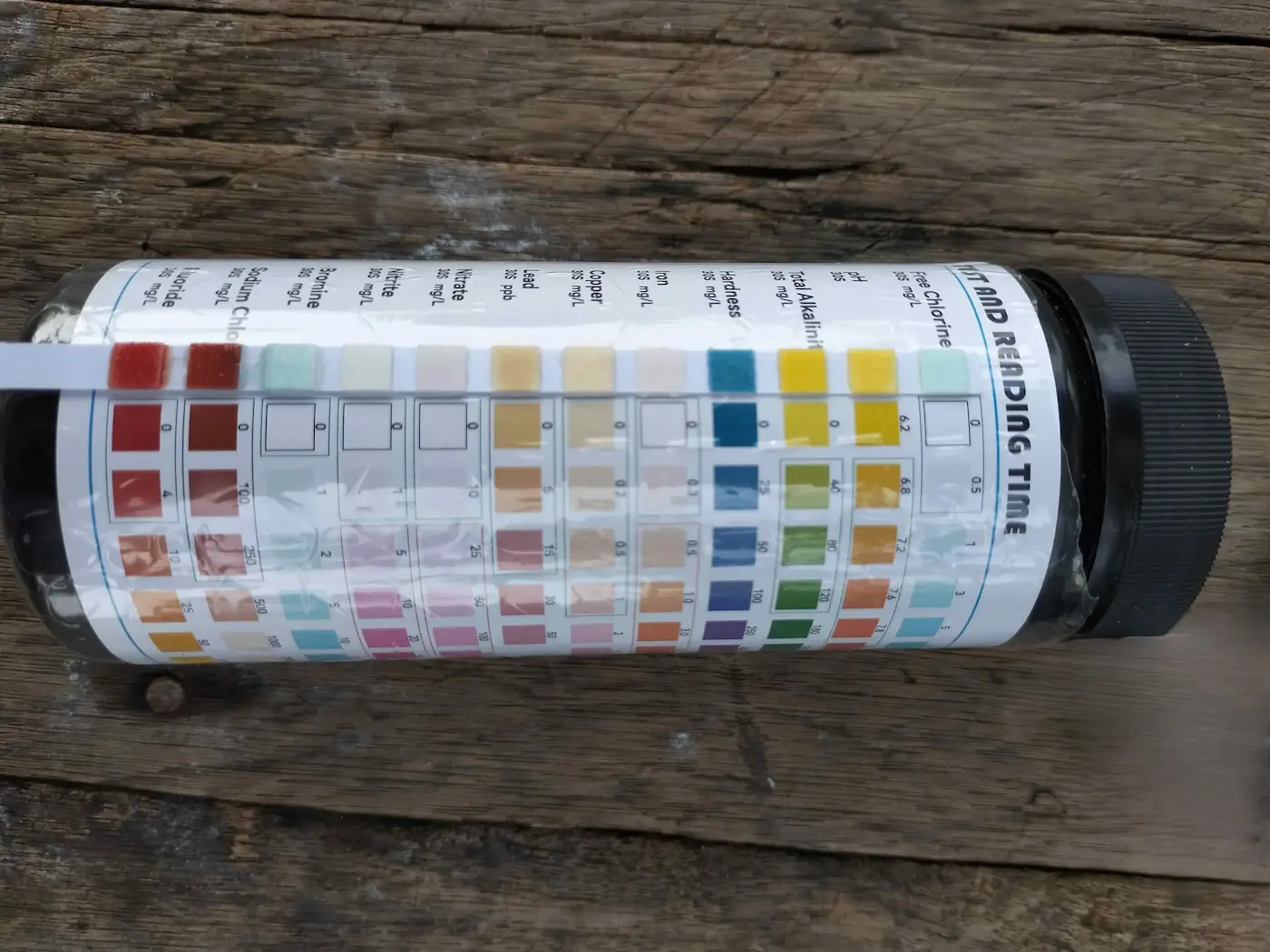
During our water quality campaign, our team assessed sources in two complementary ways First, we ran a simple “citizen science” activity during household visits. We asked people what they thought about their water quality and whether they wanted to know more. We then used easy-to-use test strips that provide quick indications of certain parameters through a colour chart.
Community-based rapid testing
These strip tests are not a substitute for laboratory analysis, but they are very useful for two reasons:
- They provide immediate feedback and spark practical conversations.
- They help communities recognise when water may be unsafe and when follow-up testing or safer handling is needed.
Comprehensive water samples at key sites
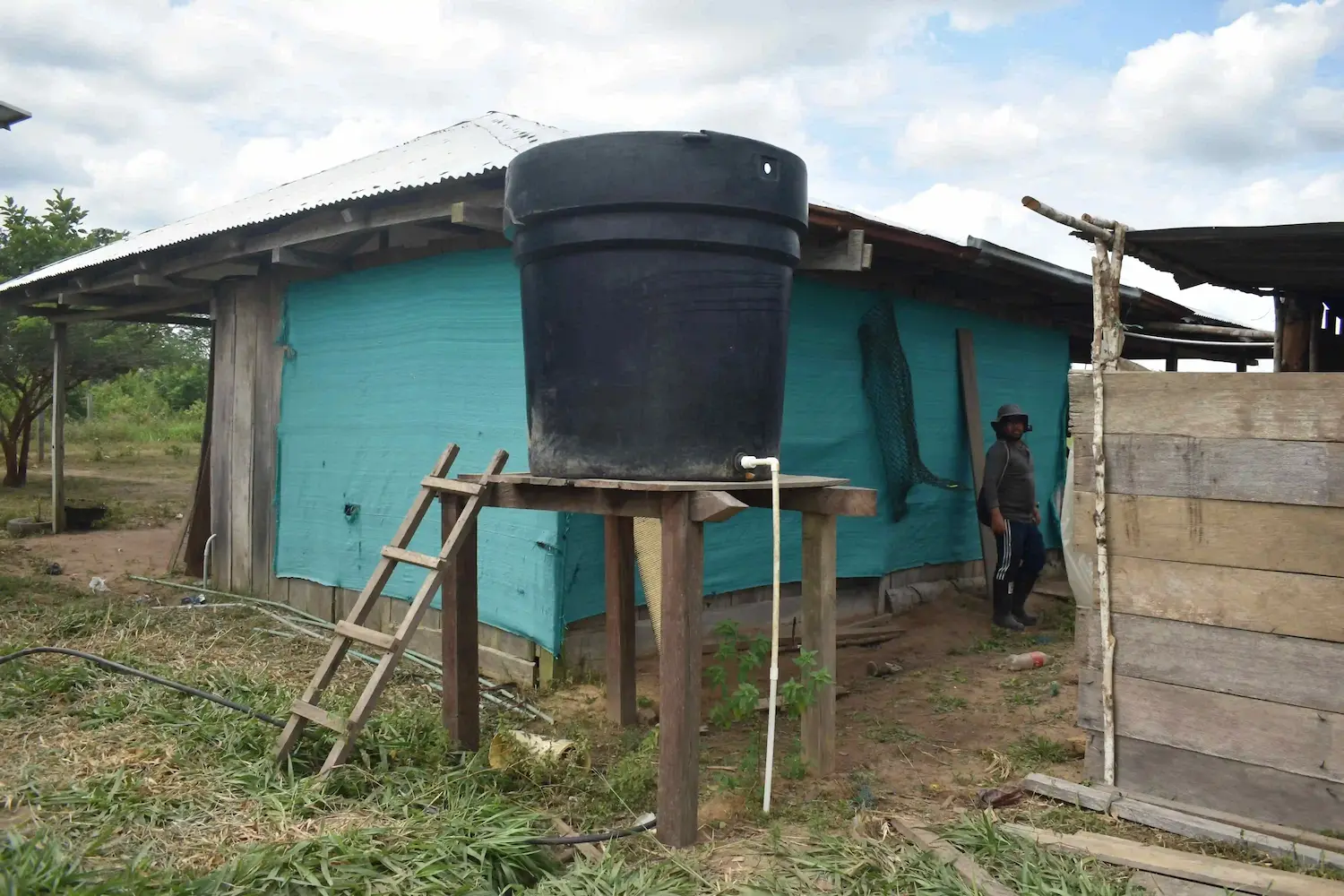
Secondly, our team assessed water quality more comprehensively at several key sites in the local school, restaurant, river and some community households. They were sent to the lab for microbiological analysis. Overall, the findings highlight that certain sources were contaminated with some coliforms and E. Coli. In conclusion, there is a need for improved water storage and water practices.
Some good habits are:
- Protect clean sources
- Clean and disinfect storage systems regularly
- Set up routine monitoring
- Boiling water before consumption
General takeaway
This campaign shows that community-based water monitoring is both feasible and valuable. By sampling together, we not only generated reliable data, but also built awareness around water quality and its direct implications for health.
The results highlight that several commonly used sources are contaminated, even when water is assumed to be safe. This shifts the focus from access alone to the quality and management of water at the household level.
For PIRI, this provides a clear foundation for next steps. The combination of local engagement and concrete data allows us to target interventions more effectively and design future water projects that respond to real conditions on the ground, rather than assumptions.